


Boost Youth Mental Health in New Zealand by Addressing Intergenerational Trauma
August 9, 2024
Learning Analytics: The Tide That Lifts Both Language Institutions and Learners’ Boats
September 4, 2024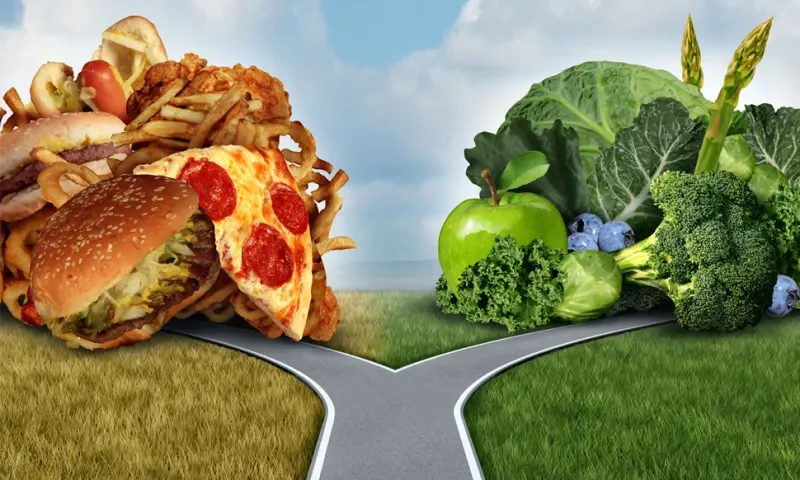
Insights and Reflections
In this Insights and Reflections work, guest author Michelle Verstandiker, a Deakin University graduate, explores the urgent need for systemic changes to address obesity disparities between low and high socioeconomic groups. Despite global efforts, the rising cost of nutritious food and economic pressures continue to exacerbate the issue.
Accessible on mobile and desktop
Estimated reading time: 4 minutes
Structural changes urgently needed to bridge the gap between low socioeconomic and high socioeconomic obesity risk
Obesity has been on the global health agenda for several years and despite incredible research efforts is yet to be solved or reduced. There was a suspected plateau in overweight/obesity prevalence between 2009-2012, however the rate of severe obesity has since been increasing. The National Obesity Strategy 2022-2032 aims to stop the rate of overweight and obesity in Australian adults, and reduce the number of overweight/obese adolescents and children by 5%. While this strategy recognises the immensely complex nature of obesity, it may not be able to match the ever devastating economic climate.
More families are being faced with choosing between housing or having fresh food on the table, meaning even with health education in workplaces and schools, the only choice they have is low cost options which are usually void of nutritional value.
The rising cost of fresh foods, 12% increase in the price of fruit and vegetables in two years and housing by 17% (VicHealth report), is felt significantly more in regional and rural areas, where the likelihood of developing overweight or obesity is already higher than in major cities. The VicHealth report clearly describes the effects inflation has on the health and wellbeing of Australians, supporting that low income households will be significantly more impacted.
The rising cost of fresh foods, 12% increase in the price of fruit and vegetables in two years and housing by 17% is felt significantly more in regional and rural areas
Nutrient Density and the Role of Diet in Combating Obesity
The consumption of nutrient dense foods not only minimises adiposity but is cardioprotective. The constituents of fresh fruits and vegetables cannot be replicated in ultra-processed foods.
Anti-inflammatory nutritives mitigate the pro-inflammatory cytokines released by adipose tissue, thereby protecting the organs from chronic cellular damage. In the systematic review and meta-analysis by Hosseini and colleagues, studies have shown the anti-inflammatory and antioxidant properties of flavonoids, carotenoids and vitamins combined with soluble fibre produced significant reductions in inflammatory biomarkers.
The constituents of fresh fruits and vegetables cannot be replicated in ultra-processed foods.
Low-carbohydrate or ketogenic diets, Mediterranean dietary patterns and caloric restrictions were outlined in a comprehensive review by Sara Castro-Barquero and colleagues, showed positive results in both remitting and protecting against the metabolic syndrome. Obesity and the metabolic syndrome are progressive conditions that can take several years to develop, however due to the saturation of ultra-processed foods in supermarkets it can begin to appear earlier than adulthood. This alarming trajectory suggests that future demographic data will show a significant disparity between those that have access to nutrient dense foods and those that have limited resources.
The policy in effect from the year 2000, removed the 10% goods and services tax on fruits and vegetables has done little to ensure individuals are consuming the recommended servings. This will need to be revised and implemented with a subsidy to increase intakes of fruits and vegetables in low income and food insecure households.
The Urgent Need for Systemic Changes in Tackling Obesity
Weight gain is most prominent from childhood to early adulthood, which usually continues into late adulthood. Purchasing habits and taste preferences may be cemented in younger years, and heavily influenced by the home environment. The advancements in food manufacturing leading to extended shelf life, more palatable products for cheaper, and the demand for convenience is speculated as a driving cause for the obesity epidemic as described in this work “What Really Matters for Health – Processing or Nutrient Content?” Edible items that no longer resemble natural foods are typically void of micronutrient content, and contain disproportionate amounts of fat, salt and sugar. This pro-inflammatory food system perpetuates obesity and the metabolic syndrome across all ages requiring action by manufacturers.
Development and maintenance of obesity goes beyond the calorie and physical activity equation. The societal pressures to be within a range deemed aesthetically acceptable, can lead to a cycle of mental ill-health and stigmatisation. Restrictions to purchase healthy foods outside of an individual’s control provides another barrier in the current economic climate, which may lead to household members feeling shame with not being able to provide nutritious foods.
Health education should consist of support to make informed decisions about diet and physical activity, while simultaneously working to remove the stigma of being overweight or obese by eliminating the BMI system and replacing terms like ‘losing weight’ with a focus on wellness and inclusivity. This aligns with the Health at Every Size (HAES) approach that has been discussed as an approach to change the obesogenic environment through a psychological approach as opposed to the traditional physical avenues.
The historical trend of climbing obesity and metabolic syndrome rates is a clear indicator that the challenges go beyond individual efforts and societal pressures. Despite global initiatives and health education aimed at fostering informed decisions about diet and physical activity, the persistent rise in obesity, especially in low socioeconomic communities, underscores the deep-rooted systemic issues at play. The current economic climate exacerbates these challenges, widening the gap between those who have access to nutrient-dense foods and those who do not. As a result, individuals in lower-income households face not only physical barriers to healthy eating but also the emotional burden of stigma and shame.
We Must Start Bridging the Gap!
Closing Thoughts on Addressing Obesity
Addressing obesity requires more than just taxation and subsidies; it demands systemic changes that create an environment where healthy choices are accessible and affordable for everyone. We must start bridging the gap between socioeconomic groups to develop a more equitable and effective solution to the obesity crisis.
Disclaimer: This blog article is intended for informational purposes only. The insights and information provided should not be construed as medical advice or used as a substitute for professional medical consultation, diagnosis, or treatment.

Sources and helpful links:
Koliaki, C., Dalamaga, M., & Liatis, S. (2023). Update on the Obesity Epidemic: After the Sudden Rise, Is the Upward Trajectory Beginning to Flatten?. Current obesity reports, 12(4), 514–527. https://doi.org/10.1007/s13679-023-00527-y
Commonwealth of Australia 2022. The National Obesity Strategy 2022-2032. Health Ministers Meeting
Black, N., Harris, A., Jayawardana, D., & Johnston, D. (2024). High inflation and implications for health: a framework to examine the potential pathways through which high inflation may impact on health. Victorian Health Promotion Foundation. https://www.vichealth.vic.gov.au/resources/resource-download/high-inflation-and-implications-for-health
Hosseini, B., Berthon, B. S., Saedisomeolia, A., Starkey, M. R., Collison, A., Wark, P. A. B., & Wood, L. G. (2018). Effects of fruit and vegetable consumption on inflammatory biomarkers and immune cell populations: A systematic literature review and meta-analysis. The American Journal of Clinical Nutrition, 108(1), 136–155. https://doi.org/10.1093/ajcn/nqy082
Castro-Barquero, S., Ruiz-León, A. M., Sierra-Pérez, M., Estruch, R., & Casas, R. (2020). Dietary strategies for metabolic syndrome: A comprehensive review. Nutrients, 12(10), 2983. https://doi.org/10.3390/nu12102983
Fruit and vegetables and the GST. (n.d.). Obesity Evidence Hub. https://www.obesityevidencehub.org.au/collections/prevention/fruit-and-vegetables-and-the-gst
Poti, J. M., Braga, B., & Qin, B. (2017). Ultra-processed food intake and obesity: What really matters for health—processing or nutrient content? Current Obesity Reports, 6(4), 420–431. https://doi.org/10.1007/s13679-017-0285-4
Penney, T. L., & Kirk, S. F. L. (2015). The health at every size paradigm and obesity: Missing empirical evidence may help push the reframing obesity debate forward. American Journal of Public Health, 105(5), e38–e42. https://doi.org/10.2105/ajph.2015.302552